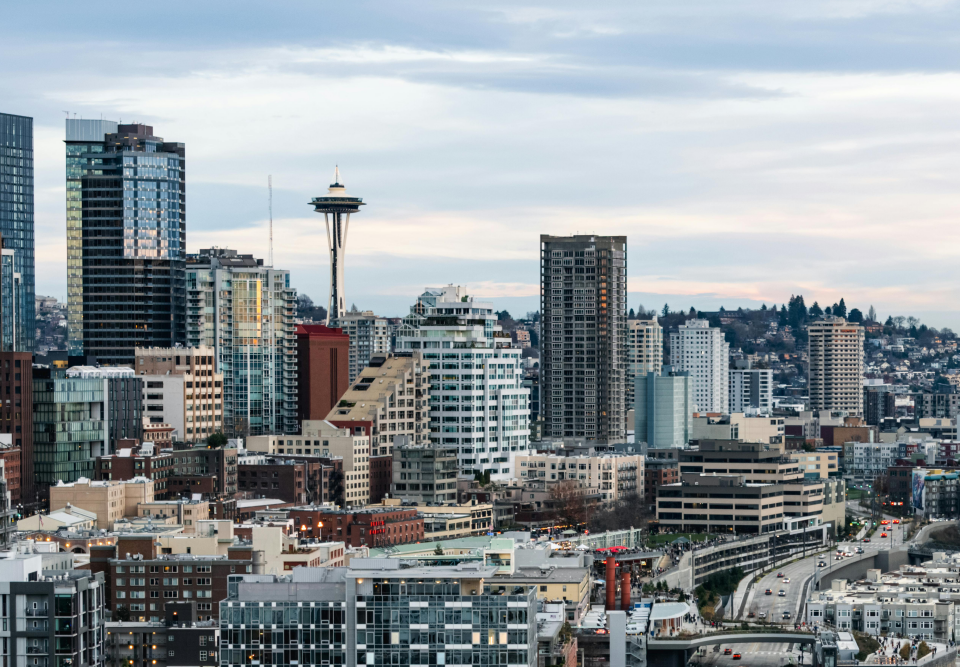
Growing Up in Seattle: A Journey Through Dyslexia
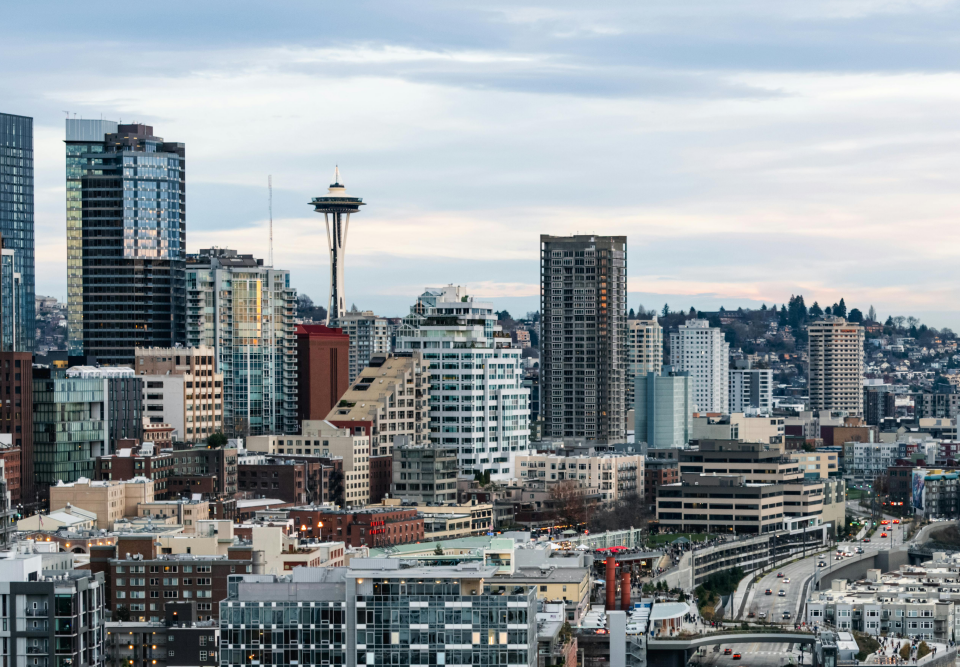
In the bustling city of Seattle during the 1950s and 60s, a young girl, CHERI, faced her childhood with both the charm of Northwest life and the daunting challenges of dyslexia. As she navigated this vibrant city filled with coffee shops, ferry rides, and the eclectic mix of urban and natural landscapes, her experiences were shaped by a unique blend of beauty and struggle.
Dyslexia, often characterized by difficulties with reading, writing, and sometimes math, was a condition misunderstood during those times. In an era where educational resources for learning differences were limited, Cheri found herself battling against an invisible foe. The early years of my education were marked by frustration. Reading assignments that seemed simple to my peers morphed into intense challenges. The letters danced across the pages, often leaving me feeling isolated and overwhelmed.
During my grade school years, the school system introduced a new style of Language Arts to be taught to a select few, and I was one of the selected classes. After a year and a half of trying to relearn the whole system, they had us abandon it and revert to the old one. But it was hard to convert back, and this wasn’t very clear. My brain seemed to work faster than most people I was around. Eventually, I started seeing more things in picture and sound form.
Math, too, proved to be a formidable adversary. While my classmates grasped mathematical concepts with ease, I found numbers as perplexing as letters. When they learned basic arithmetic, I would stare at my workbook, feeling the pressure of confusion racing through my mind. The process of understanding multiplication and division felt like entering a labyrinth without a map. Despite my efforts, the solutions eluded me, feeding my sense of inadequacy. I was starting to think I was different.
Social relationships presented their own set of hurdles. Friendships stuttered as I grappled with expressing myself verbally. In a school playground buzzing with laughter and conversation, I often felt like an outsider, struggling to contribute to the discussions my peers took for granted. Group projects became a source of anxiety rather than collaboration. My fear of making mistakes led to silence, as I hesitated to speak up or share her ideas. One teacher, an Algebra teacher, (Mrs. Wilson) called me stupid when I raised my hand to ask her a question; her words were, “You should know that you’re stupid, or something, pay attention.”
The pressure mounted, particularly in subjects like algebra, where letters would replace numbers, confusing me further. Algebra became a dreaded subject; an enigma filled with variables that seemed to move just out of reach. Teachers, although well-meaning, sometimes misinterpreted her difficulties as a lack of effort or motivation. Their frustration only added to mine, creating a cycle of anxiety that would shadow my academic life. It wasn’t until I attended college and was faced with challenges in my early twenties that I realized I wasn’t stupid; I just had another way of looking at things. Another way of doing math in my head rather than on paper. I learned math from my father: adding, subtracting, and dividing in 1’s, 5’s, and 10’s, and the value of the 3-6-9 combination.
But compared to the academic challenges, the emotional journey proved to be the most complicated. Each struggle chipped away at my self-esteem. I longed for validation, but the words that came out of my mouth often felt tangled, leading to misunderstandings with peers and adults alike, and I was unable to sound out words properly. Yet, in my heart, I was determined to overcome my difficulties. Each day came with its own challenges, but I learned to adapt, finding flavor in simple joys. The true artist inside came alive.
Despite my hurdles, I found the peace that Seattle offered in abundance. The city’s lush parks and the calming presence of Puget Sound became my refuge. Riding my bike back and forth from Greenlake to Shilshoe Bay, I found peace in nature, art, and I was active in sports and very coordinated. I was a part of a drill team that traveled up and down the West Coast, Ballard Girls Drill Team, in the summer, where the chaos of my academic struggles faded into the background. I spent a lot of time with my father learning to work on cars and do carpentry work, I was my fathers son, until I was about 15. Here, I could breathe, feeling the weight of my dyslexia lighten, if only for a moment.
Slowly, I learned to advocate for myself. With the guidance of a few understanding teachers who recognized my potential beyond my learning challenges, I began to find my voice. This nurtured my talents, encouraging me to express my creativity through art and music. Writing became an escape. Although I struggled with conventional writing, I found joy in telling stories, pouring my imagination onto paper. My language arts teachers Mr. Glass and Mrs. Condon were my mentors. They seemed to understand.
As the years passed, I transitioned into adolescence, learning to navigate the complexities of dyslexia with resilience. While the journey remained riddled with challenges, I gained a sense of empowerment. Seattle, with its rich culture and spirited community, was the backdrop against which I could carve out my identity.
In retrospect, growing up with dyslexia in Seattle taught me invaluable lessons about perseverance and self-acceptance. I emerged not solely defined by my challenges but also by my determination and creativity. The struggles with math, writing, and relationships shaped me, but they also paved the way for understanding, empathy, and an unyielding spirit that would carry me into adulthood.
Comments
One response
I often wonder Cheri if we get dyslexia from childhood injections! I discuss this a bit on my blog as well! https://amalyaoppenheimer.com/growing-up-without-god-silence-harms/