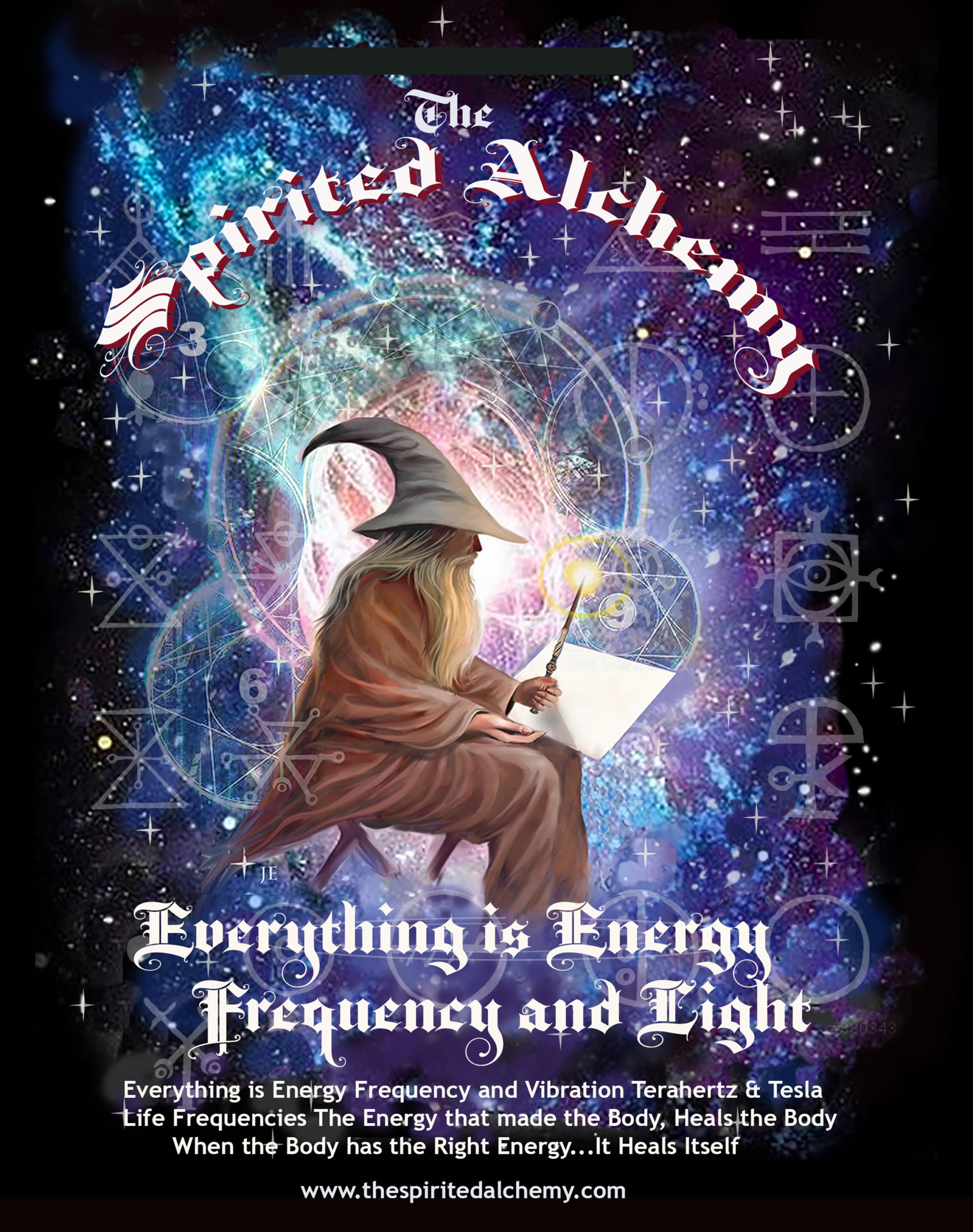
What is Spiritual Alchemy? Is it for you?
Alchemy is a living language for inner transformation. Far beyond the old dream of turning base metals into gold, true alchemy is the art and practice of tending to the soul, the home, the body, and the community so that life becomes richer, more meaningful, and aligned with what’s whole. At The Spirited Alchemy, we reclaim that broader, spiritual meaning: alchemy as a path of transmutation — shifting states of being from confusion to clarity, separation to unity, dullness to joy.
A brief history and common misunderstanding
Historically, alchemy blends practical craft, early chemistry, and spiritual practice. For many, alchemy became associated only with laboratories and secret formulas. That literal image obscures the essential, perennial heart of alchemy: inner work. Mystics, healers, herbalists, and seekers across time used alchemical language to describe processes of purification, integration, and rebirth. Misunderstandings arise when alchemy is reduced to superstition, pseudo-science, or exotic spectacle. In truth, it’s both a metaphor and a method, practical, symbolic, and transformative.
The core principles of Spiritual Alchemy
Solve et coagula (dissolve and re-form): Transformation begins by loosening what’s stuck, old habits, beliefs, or pain, then reorganizing life around newly forged values and practices.
Correspondence: Inner and outer worlds mirror each other. Changing one changes the other. Simple shifts in home, ritual, or attention can ripple into deep interior change.
Integration over escape: True alchemy asks us to embrace and integrate our shadows and gifts, rather than deny or idealize them.
Cycle and timing: Change unfolds in phases: incubation, fermentation, illumination, and consolidation. Patience and ritual help guide each stage.
Who is an alchemist today
An alchemist is anyone intentionally shaping life toward healing and wholeness. That includes herbalists mixing tinctures, therapists guiding inner integration, home alchemists cultivating nourishing spaces, ritual makers holding ceremonies, and everyday people practicing small acts of transformation. The modern alchemist is practical and spiritual, curious and accountable.
Practical alchemy: three everyday practices
1) Small ritual of attention: Begin the day with one mindful action — lighting a candle, drinking tea with a focused breath, or naming three intentions. These tiny rites orient the nervous system and invite attention to what matters.
2) Purification and re-patterning: Choose one habit to “distill” for a month (e.g., reducing screen time before bed). Track the changes and replace the emptied space with nourishing practices like journaling or walking.
3) Sacred environment: Design a small corner of your home as a place for reflection or ritual. Even a plant, a candle, and a notebook can become an alchemical altar, reminding you that the outer environment supports inner change.
Why Unity Matters Here
At its heart, alchemy recognizes connectedness within us and among people. When practice prioritizes separation or exclusivity, imbalance results. Healing is social as well as personal: ritual gatherings, shared meals, and community care amplify transformation and restore joy.
What my site will offer in the months to come
The Spirited Alchemy collects practical paths and heartfelt teachings: simple rituals, herbal guidance, psychological frameworks, and community-led practices. We aim to make alchemy accessible — no secret code, just approachable methods for growing spiritually, healing practically, and living joyfully.
Begin here
Start with one small ritual today: breathe deeply, name one intention, and notice one thing you’re grateful for. Return to this page as a reference, explore the types of alchemists we profile, and join a circle to practice together. Alchemy is not a destination but a companioned practice — the everyday art of turning ordinary moments into sources of nourishment and meaning.